Enhancing Digital Experiences with Elearning Icon Set 2
In today’s digital age, visual elements play a crucial role in communication and user engagement. One such essential tool is the Elearning Icon Set 2, which offers a collection of beautifully designed glyph icons tailored for various design projects. These icons are not only aesthetically pleasing but also serve functional purposes across multiple platforms, making them indispensable for designers, educators, and developers alike.
What Are Elearning Icons?
Elearning icons are graphical representations that symbolize specific educational or learning-related concepts. They are used to convey information quickly and effectively, especially in digital environments where visual clarity is paramount. The Beautiful meticulously designed Glyph Icon included in the Elearning Icon Set 2 is a prime example of how these icons can enhance user interfaces and improve the overall experience.
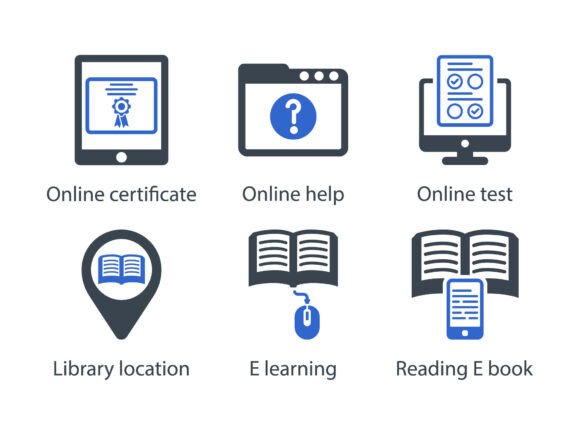
These icons often represent activities such as online learning, reading e-books, taking tests, or accessing library resources. By using standardized symbols, they help users navigate complex systems with ease, reducing the need for lengthy text explanations.
The Purpose and Significance of Elearning Icons
The primary purpose of elearning icons is to provide a visual shorthand for common educational actions. This is particularly useful in online learning platforms, where users may be accessing content from various devices and locations. A well-designed icon can instantly communicate what an action entails, whether it's starting a course, completing an assessment, or accessing a digital library.
Moreover, these icons contribute to a more consistent and cohesive design language across different applications and websites. For instance, if a student encounters a similar icon on both a learning management system and a mobile app, they can intuitively understand its function without confusion.
Practical Relevance in Modern Education and Work
The integration of elearning icons into modern education and work environments has become increasingly important. With the rise of remote learning and digital collaboration, clear and effective visual communication is more critical than ever. These icons help bridge the gap between users and technology, making digital tools more accessible and user-friendly.
For example, consider an online certificate platform. A simple icon representing a certificate can signal to users that they have completed a course and are ready to download their credentials. Similarly, an icon for an online test can indicate that a user should prepare for an assessment, helping to set expectations and reduce anxiety.
How Elearning Icons Fit Into Daily Activities
Beyond formal education, elearning icons also play a role in everyday tasks. Whether you're looking up information in a library location or browsing through an e-book, these icons can guide your interactions with digital resources. They are commonly found in apps, websites, and even physical materials like brochures and posters.
Imagine a university website that uses elearning icons to highlight key services such as academic advising, tutoring, or career support. These icons make it easier for students to find the information they need, improving their overall experience and satisfaction with the institution.
Files Included and Their Applications
The Elearning Icon Set 2 comes with a variety of file formats, including EPS, SVG, and PNG files. Each format serves a different purpose and can be used in various design projects:
- EPS (Encapsulated PostScript): Ideal for professional printing and high-quality vector graphics. This format is perfect for creating detailed illustrations or logos that require precise scaling.
- SVG (Scalable Vector Graphics): Excellent for web use, as it allows icons to scale without losing quality. SVG files are widely supported by modern browsers and can be easily integrated into HTML and CSS code.
- PNG (Portable Network Graphics): Suitable for digital use, such as on websites, presentations, or social media. PNG files support transparency, making them versatile for different backgrounds and designs.
By providing multiple file formats, the Elearning Icon Set 2 ensures that designers and developers can choose the most appropriate option for their specific needs. This flexibility makes the set valuable for a wide range of applications, from website development to print materials.
Designing with Elearning Icons
When designing with elearning icons, it's important to consider the context in which they will be used. The Beautiful meticulously designed Glyph Icon is not just a visual element; it's a tool that can enhance the user experience when used thoughtfully. Here are a few tips for effective icon design:
- Consistency: Use a uniform style across all icons to maintain a cohesive look and feel. This helps users recognize and understand the meaning of each icon quickly.
- Simplicity: Avoid overly complex designs that may confuse users. A clean and minimalistic approach often works best, especially for digital interfaces.
- Accessibility: Ensure that icons are large enough to be easily visible and distinguishable. Consider color contrast and avoid relying solely on color to convey meaning.
By following these guidelines, designers can create visually appealing and functional icons that enhance the user experience across different platforms and mediums.
Conclusion
The Elearning Icon Set 2 is a powerful resource for anyone involved in digital design, education, or content creation. Its beautifully crafted glyphs and versatile file formats make it an invaluable tool for enhancing user interfaces and improving communication. Whether you're developing an online learning platform, creating promotional materials, or designing a website, these icons can help you convey information more effectively and engage your audience more deeply.
As technology continues to evolve, the importance of clear and intuitive visual communication will only grow. By incorporating elearning icons into your projects, you can stay ahead of the curve and deliver experiences that are both functional and aesthetically pleasing.